
The central Algarve offers historic heritage, colourful markets and deserted islands. Just a short drive away lie the elegant beaches of Quinta do Lago, Ancão, Garrão and Vale do Lobo, known for their sweeping stretches of sand, clear waters and fine seafront restaurants.
For a truly unforgettable experience, we recommend a boat trip around the islands of the Ria Formosa. Discover idyllic, virtually untouched beaches, such as Ilha Deserta, Portugal’s southernmost point, Barrinha and the islands of Farol, Culatra and Armona.
Where the Barrocal meets the Ria Formosa, small villages reveal an unspoilt side of the Algarve, with whitewashed houses, colourful parapets and distinctive chimneys, framed by the Serra do Caldeirão.
For those who enjoy walking and cycling, the area offers sections of the Via Algarviana and natural landscapes well worth exploring. These include Rocha da Pena, with its sweeping views across the hills, and Fonte Benémola, with its streams, springs and Mediterranean vegetation, both in the municipality of Loulé.
The region is home to some of the Algarve’s finest golf courses, particularly in Quinta do Lago, Vale do Lobo and Vilamoura, all within easy reach of Benedita de Nexe.
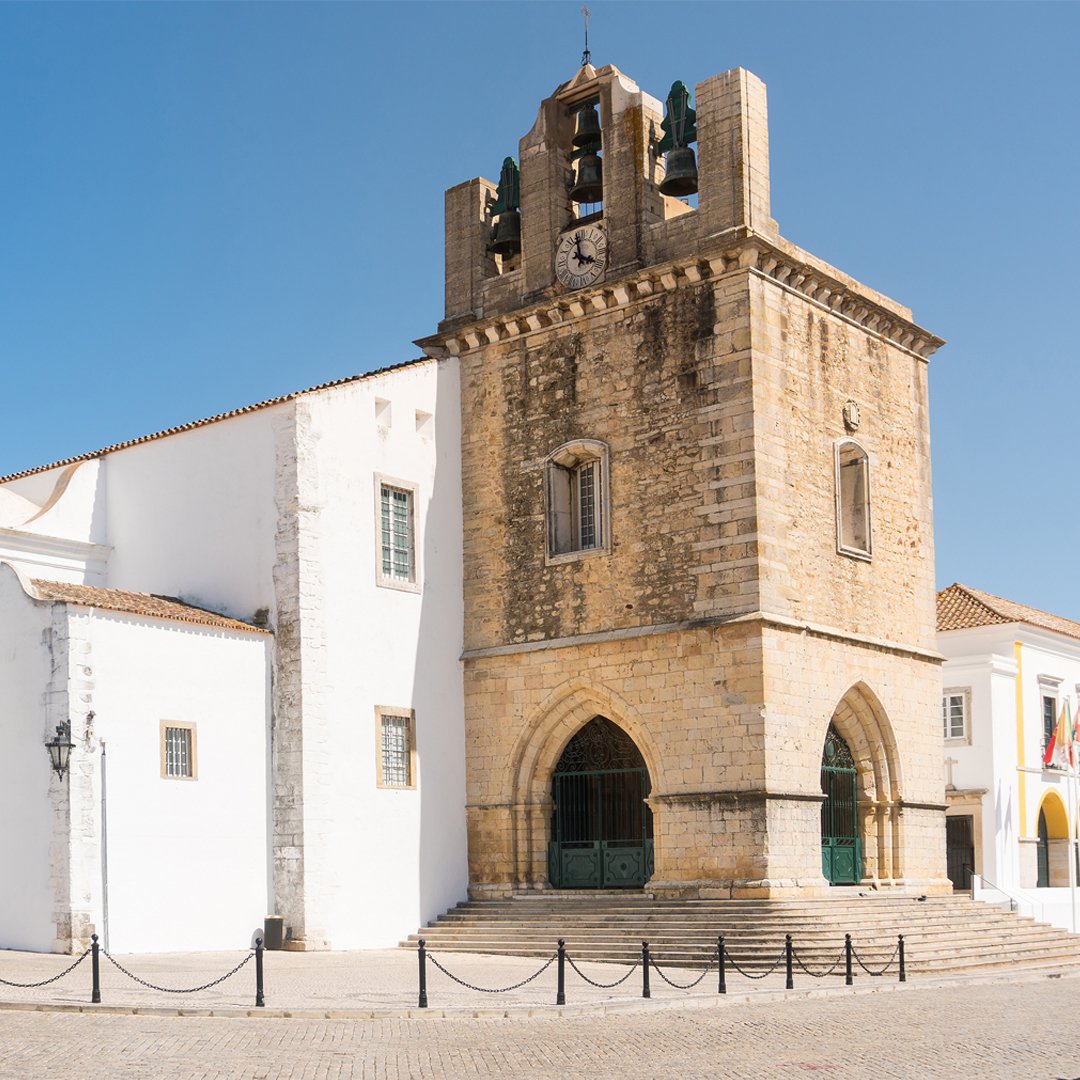
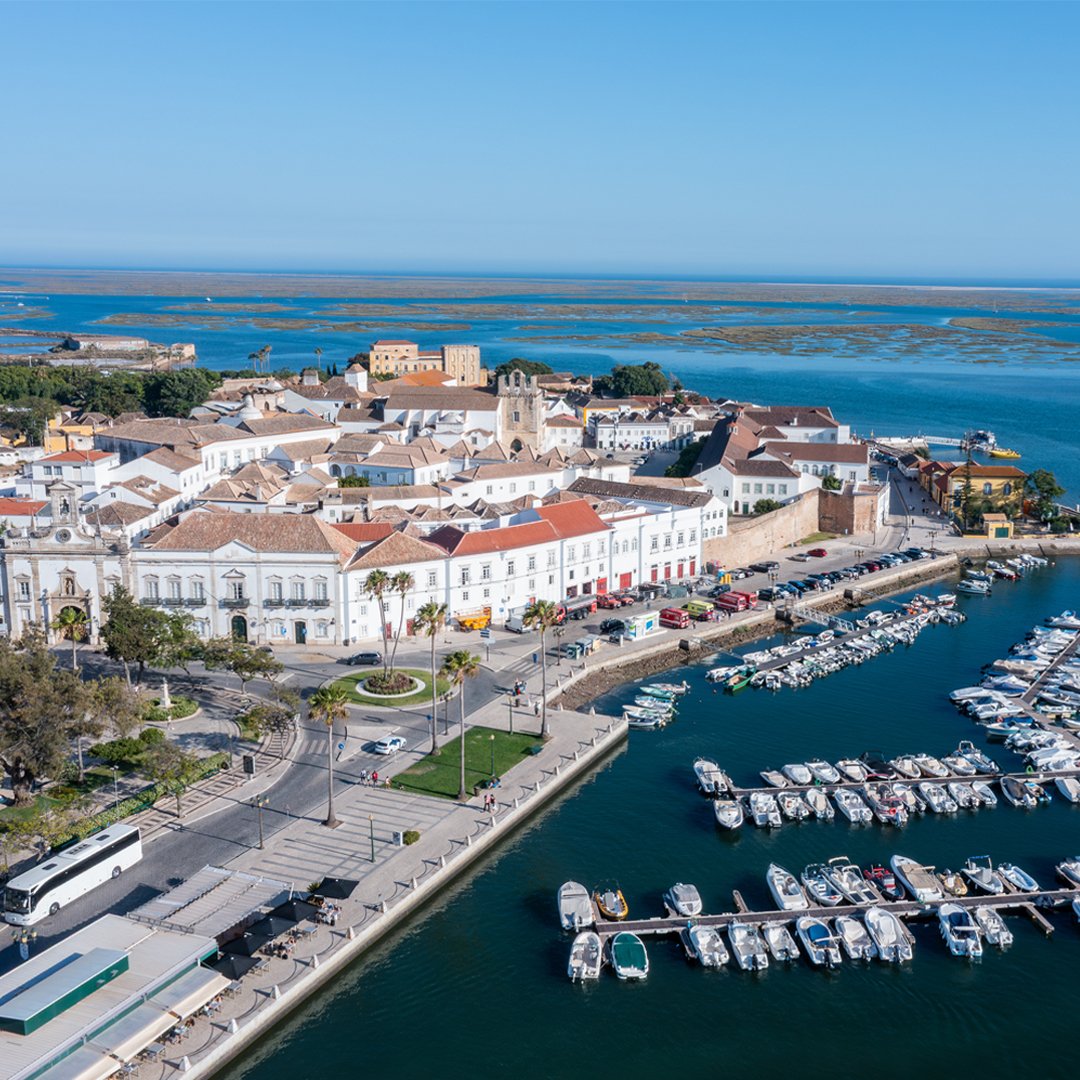
In Faro, explore the Old Town and climb the tower of Faro Cathedral for stunning views over the city. Around ten kilometres away, visit the art Nouveau style Estoi Palace and its beautiful gardens.
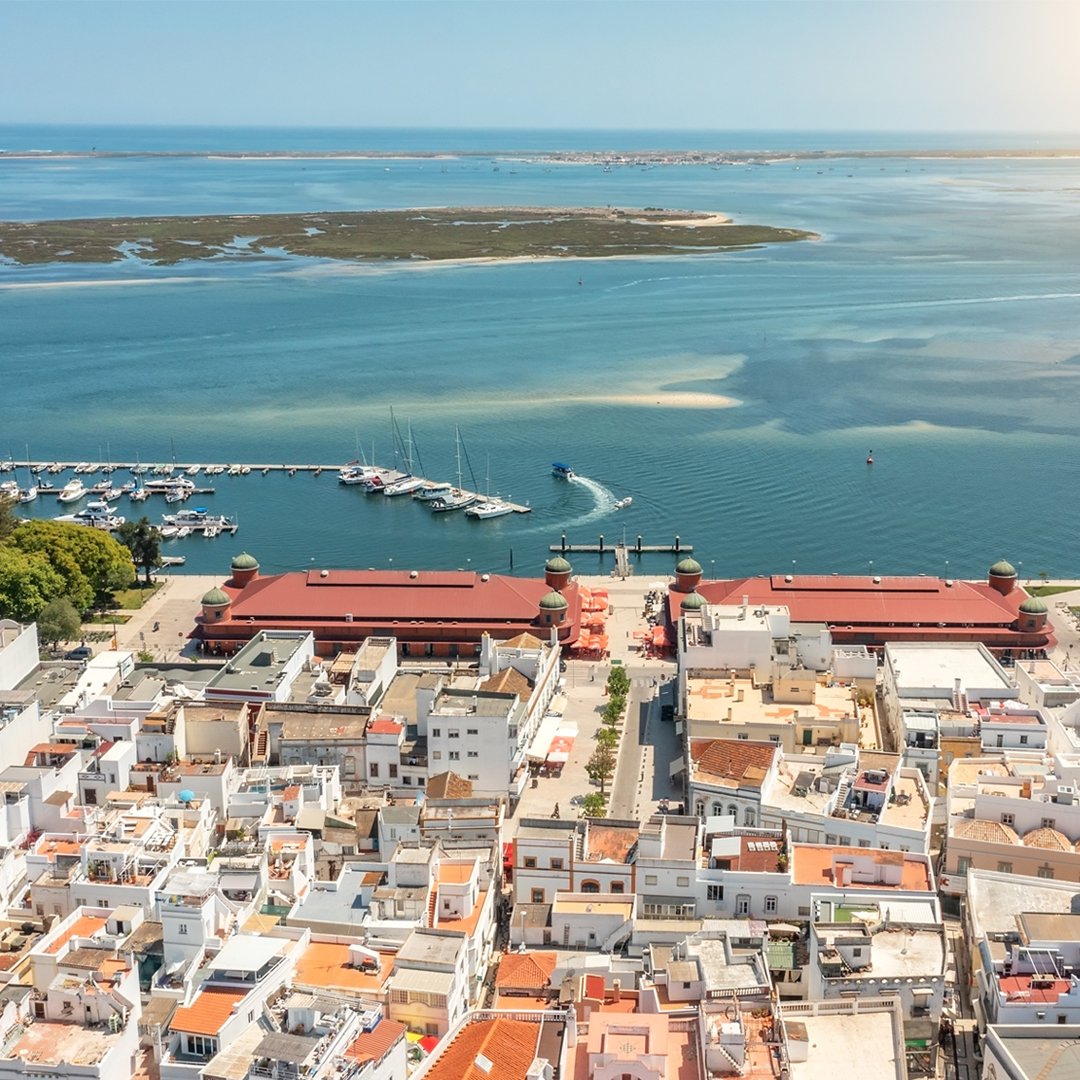
In the fishing town of Olhão, visit the municipal markets and wander through the narrow lanes of the historic centre. Enjoy the shellfish and fresh fish served in the many restaurants along the main waterfront avenue.
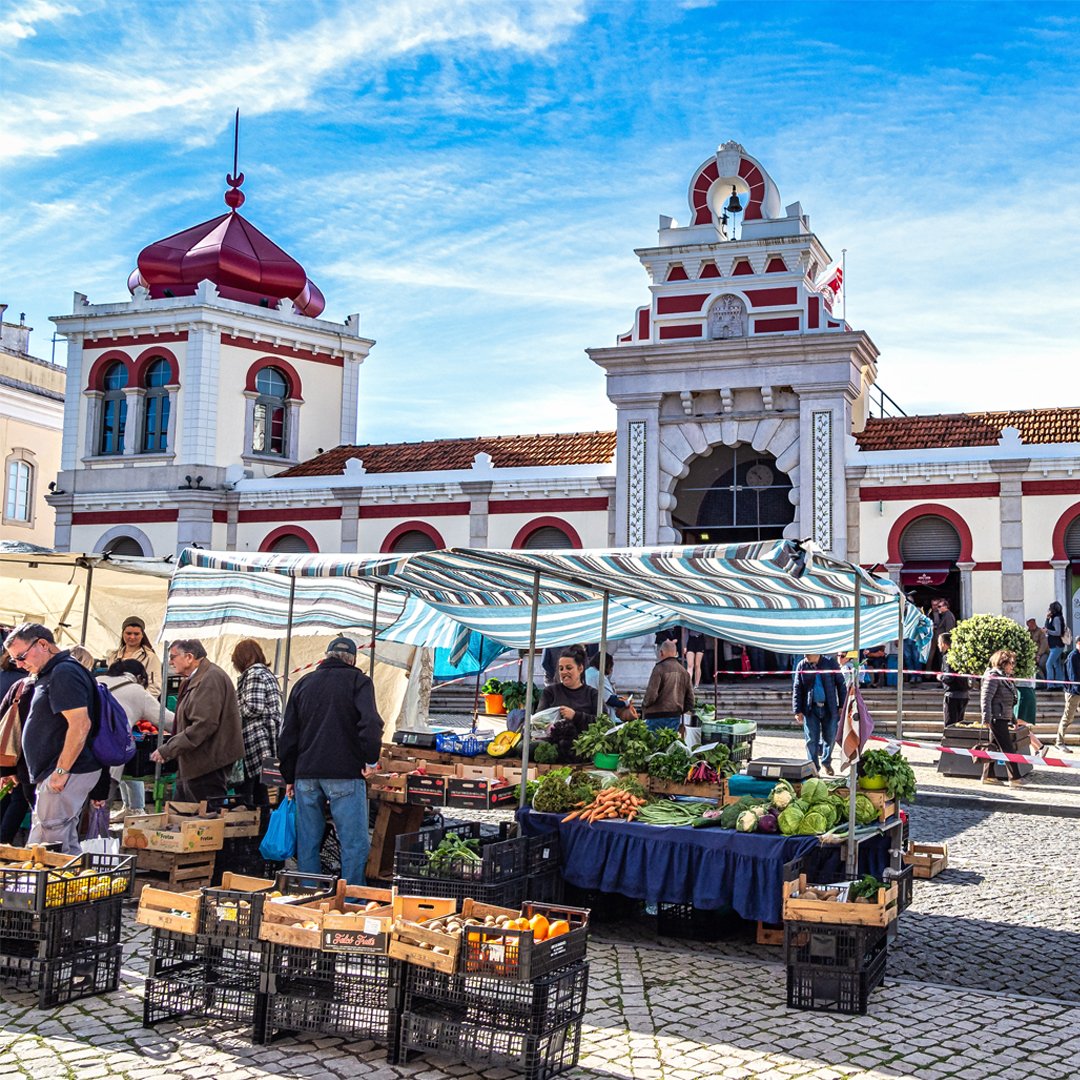
In Loulé, stroll through the town centre and visit the neo-Moorish Municipal Market, the old castle and the Islamic Baths. Saturday mornings bring an extra buzz, with the traditional market and small craft shops.
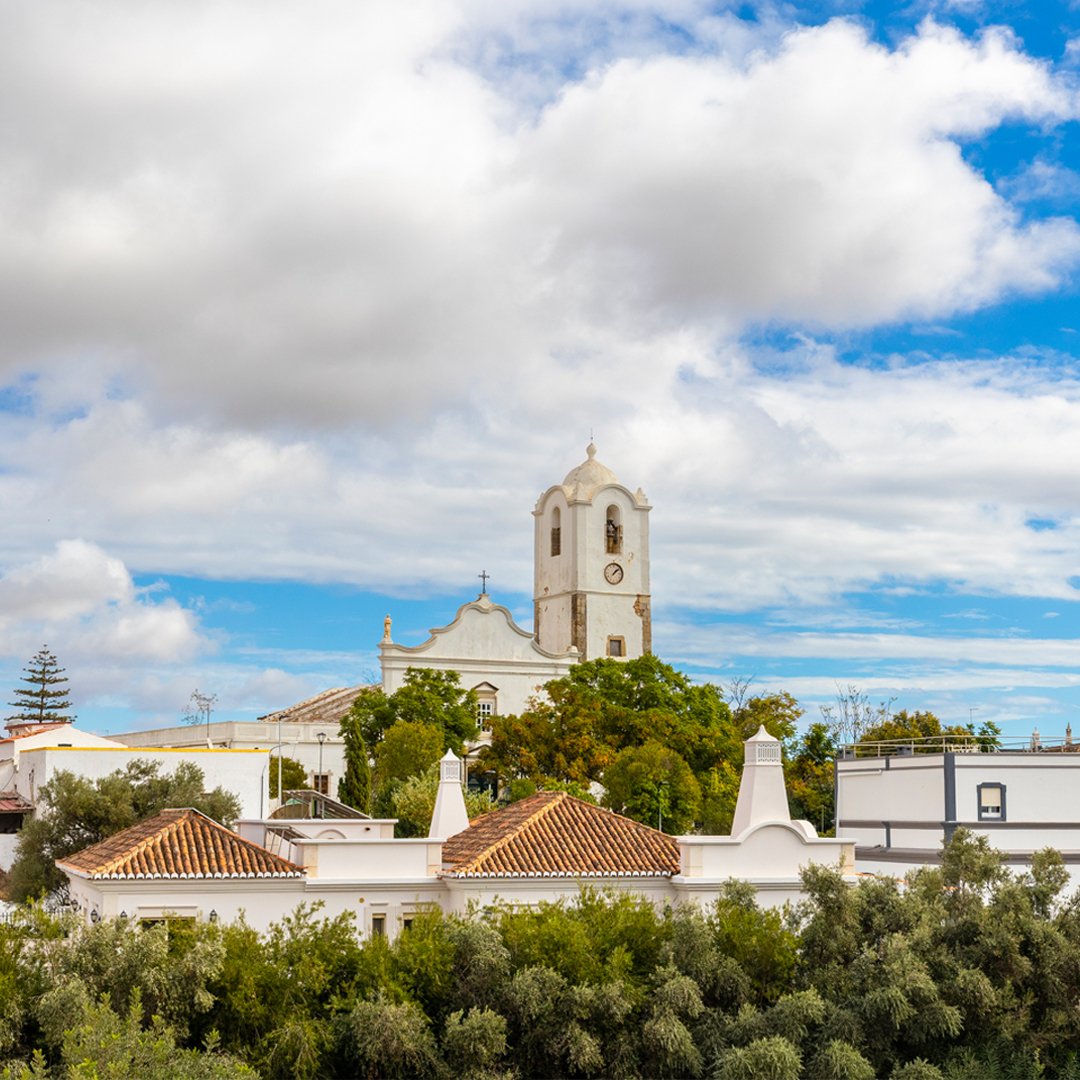
Santa Bárbara de Nexe and the villages of the Algarve’s Barrocal offer a quieter, more authentic perspective on the region, with churches, viewpoints, country lanes and hillside scenery.
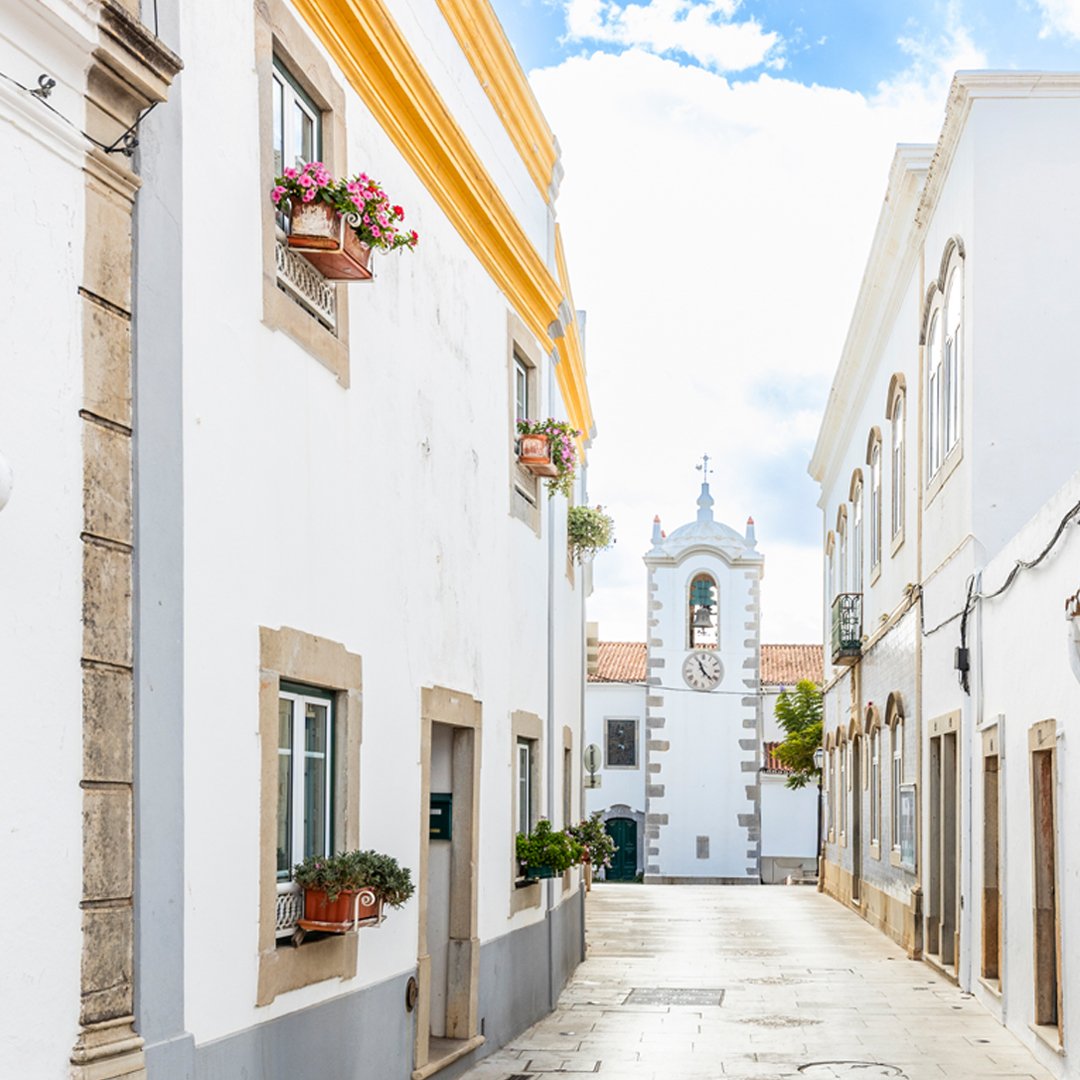
In São Brás de Alportel, follow the Calçadinha, an ancient route of Roman origin that winds through the countryside, and visit the Costume Museum, housed in a 19th-century manor house.
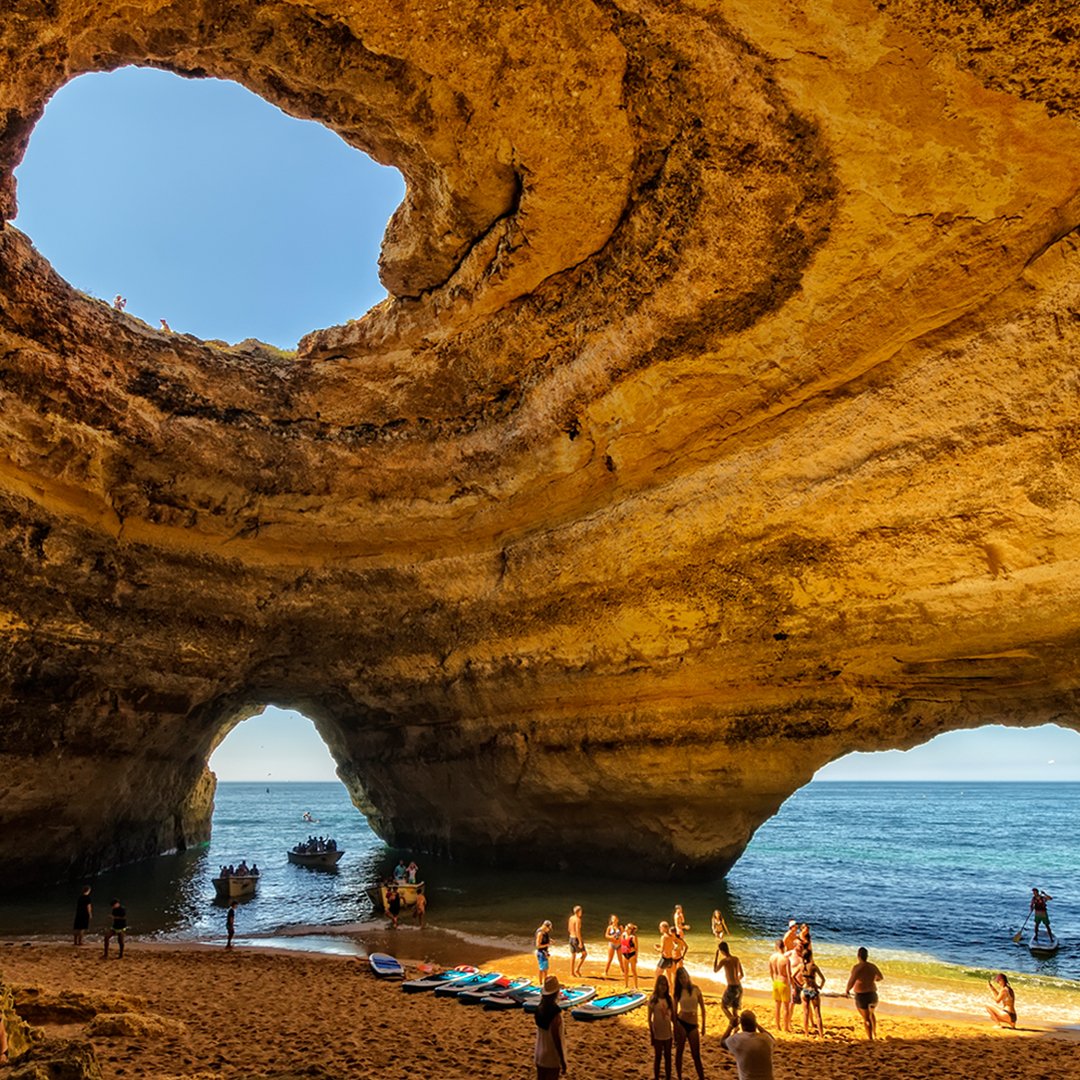
In Albufeira, discover the many beaches known for their reddish cliffs. From the marina, take a boat trip along the coast, including excursions to the Benagil Caves.
In the eastern Algarve, cliffs and rocky scenery give way to a gentler landscape of long sandy beaches, salt pans, salt marshes and warmer, calmer waters.
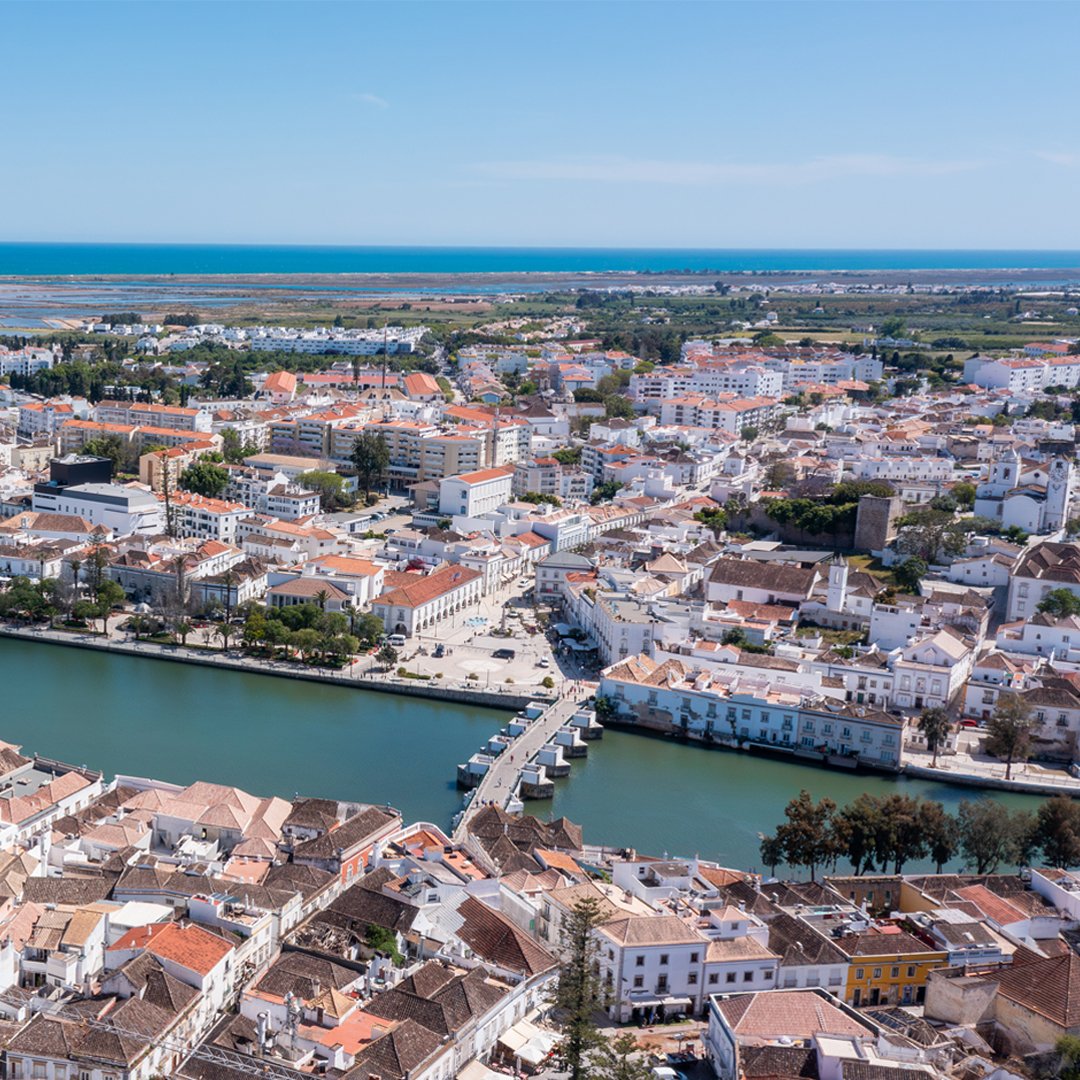
Small towns and villages of whitewashed houses stretch across the eastern Algarve towards the River Guadiana. In Tavira, explore the historic centre, cross the River Gilão and climb up to the castle, taking time to visit the town’s many churches. Nearby, Barril Beach, reached on foot or by a small train across the Ria Formosa, holds an intriguing secret: the Anchor Cemetery, where 250 anchors stand in the sand as a reminder of the tuna fishing that once sustained this community.
In Castro Marim, the castle overlooks a landscape of salt pans where salt and flor de sal are still harvested using traditional methods. The Sapal Nature Reserve is an excellent place to spot flamingos and other birds.
To explore the region on foot or by bicycle, the Grande Rota do Guadiana connects Vila Real de Santo António to Alcoutim along a 65-kilometre route through coastal landscapes, the Barrocal and the hills. Alcoutim is worth the journey for its contrasting setting: a small whitewashed town on the river, facing Spain, with a river beach and former smugglers’ paths now used as walking trails.
At the table, seek out oysters and shellfish from the Ria Formosa, fresh fish, octopus, tuna and Castro Marim’s flor de sal. Further inland, discover Iberian black pork, game, traditional açorda bread dishes and sweets made with nuts and dried fruit.
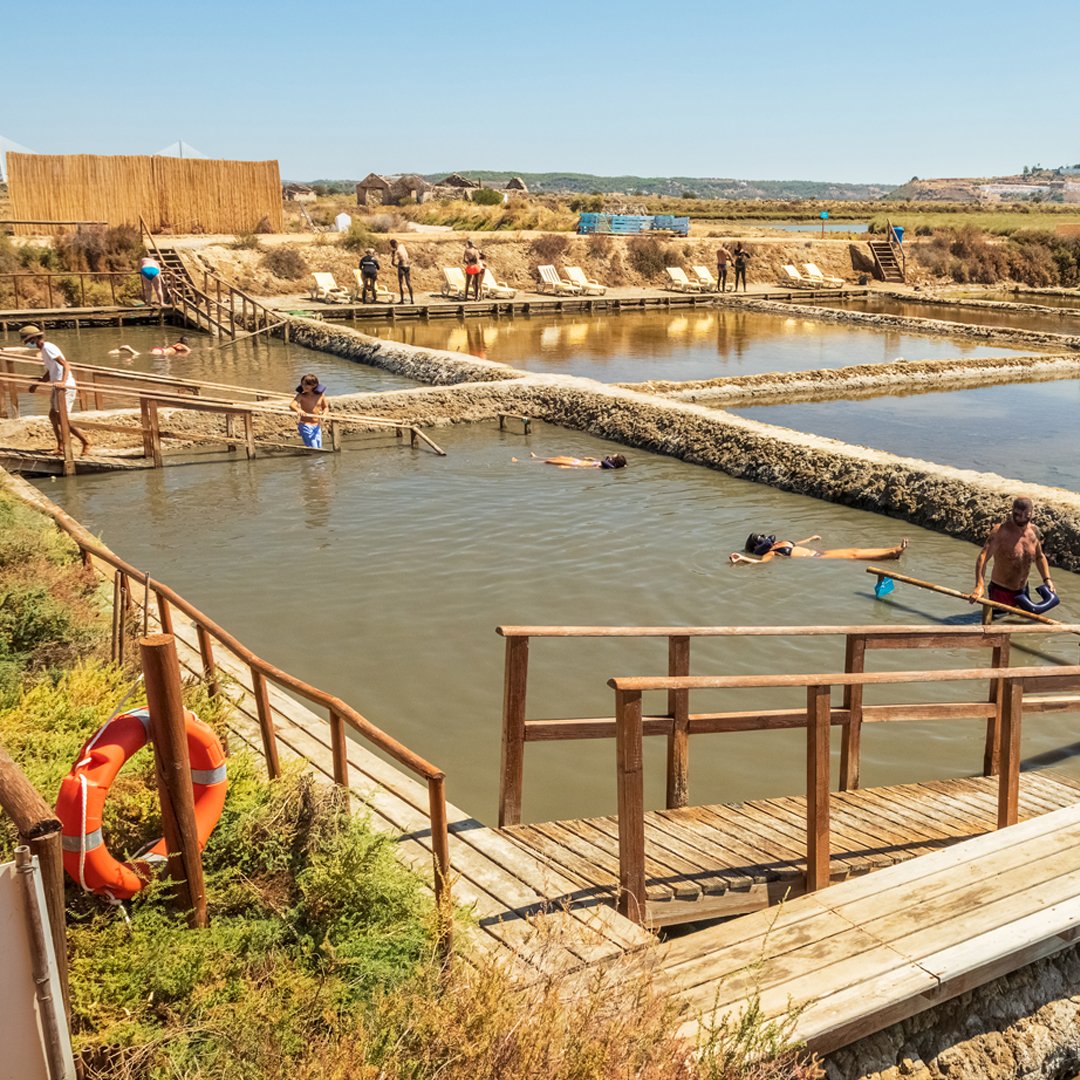
Close to the Spanish border, Castro Marim is known for its salt pans. Visit Água-Mãe for an unforgettable experience: floating in warm, highly saline waters. On the coast, Praia Verde offers an extensive sandy beach.
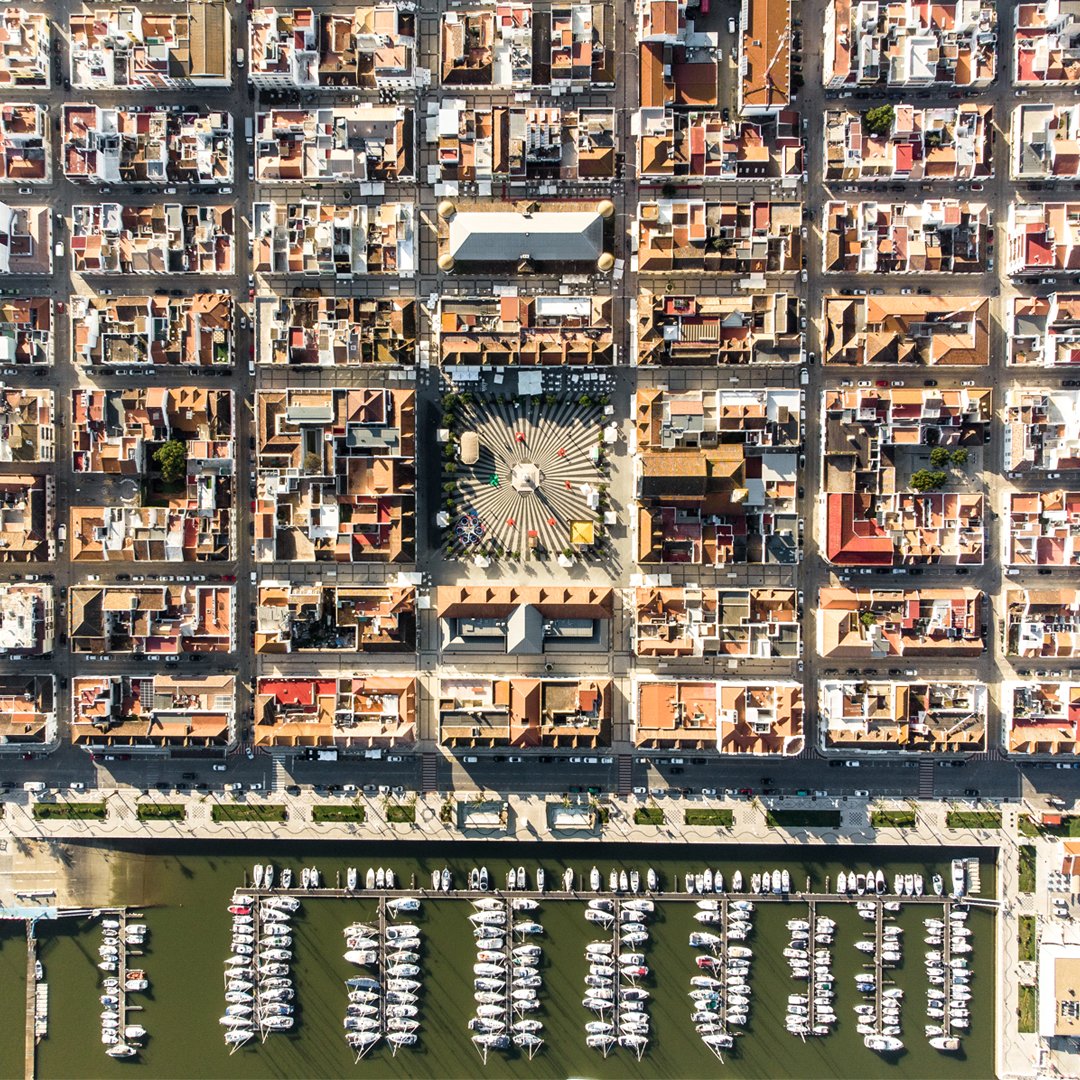
Vila Real de Santo António stands out for its neatly laid-out streets beside the River Guadiana. Around 15 kilometres away, Cacela Velha, overlooking the Ria Formosa, is a must-see, particularly in the late afternoon.
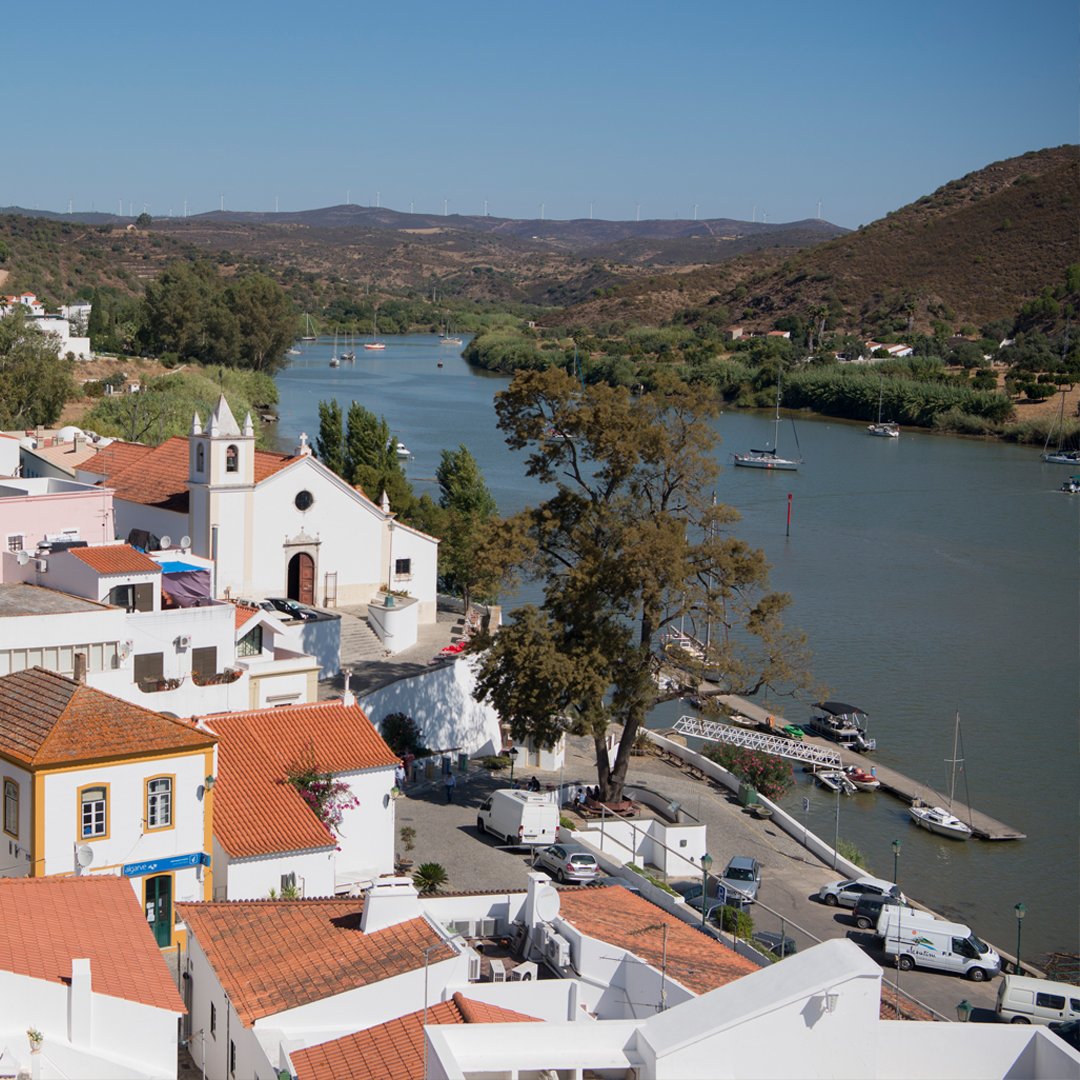
Further north, inland, Alcoutim is a small town on the Guadiana. From the Spanish side, you can take a 700-metre zip line across to Portugal. Pego Fundo River Beach offers an appealing alternative to the coast.
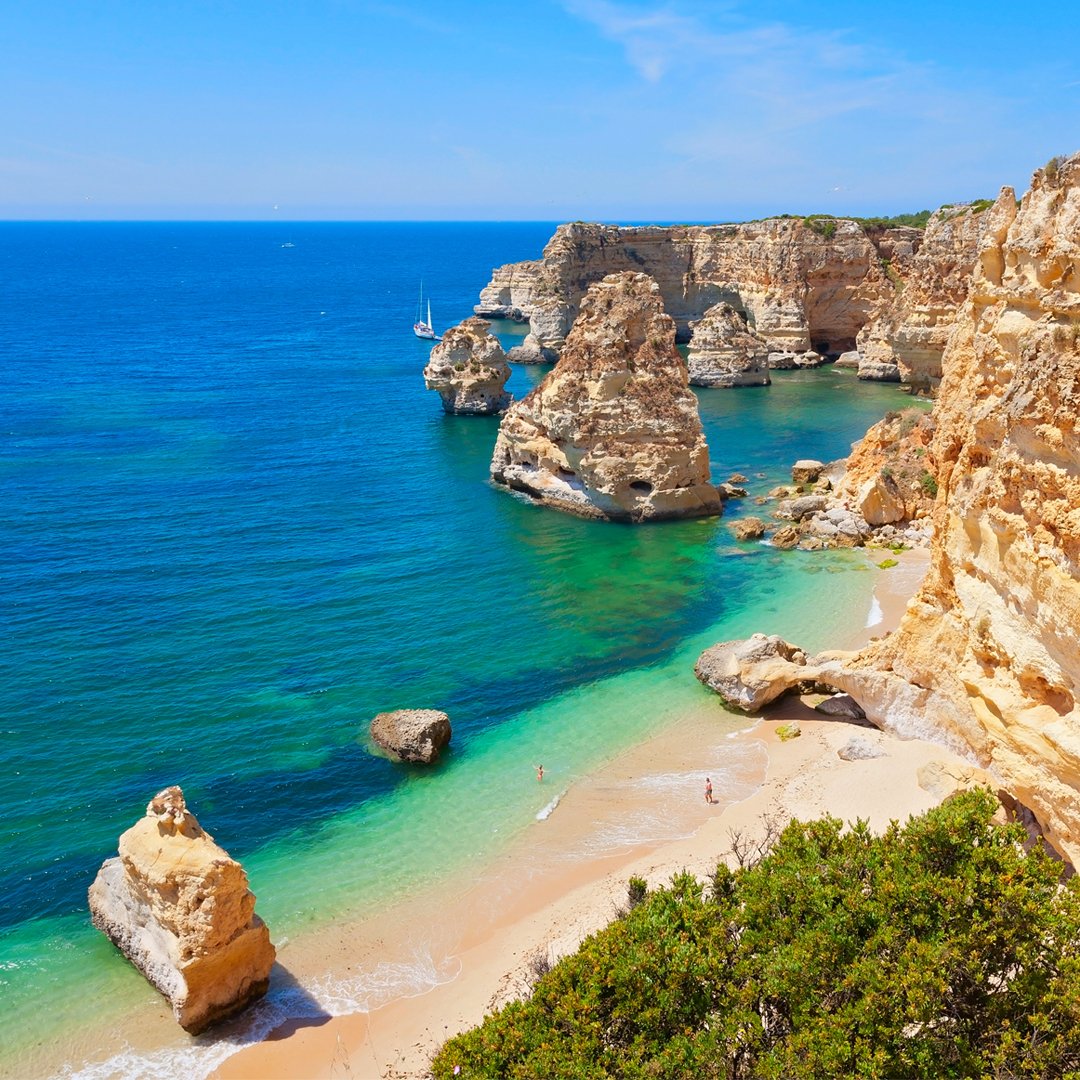
In the western Algarve, the coastline becomes more rugged and exposed to the Atlantic, with high cliffs, sheltered coves and wilder landscapes.
In Lagoa, discover some of the Algarve’s most iconic coastal scenery. Visit Marinha Beach, the rock formations of Algar Seco, the picturesque village of Carvoeiro and the Senhora da Rocha headland.
In Portimão, stroll along the River Arade and visit the Portimão Museum, housed in a former fish canning factory.
For a quieter atmosphere, visit Burgau and Salema, which retain the character of traditional fishing villages, their whitewashed houses tumbling down towards the sea. Along the Costa Vicentina, beaches such as Arrifana, Amoreira, Bordeira, Amado and Odeceixe unfold between cliffs, dunes and broad stretches of sand, in an area popular for surfing and kitesurfing. Carrapateira and Odeceixe are also rewarding stops for discovering a more authentic side of the Algarve. For walkers, the Rota Vicentina, particularly the Fishermen’s Trail, follows the coastline along old local paths. At the table, look for fresh fish, goose barnacles, octopus and Aljezur sweet potatoes.
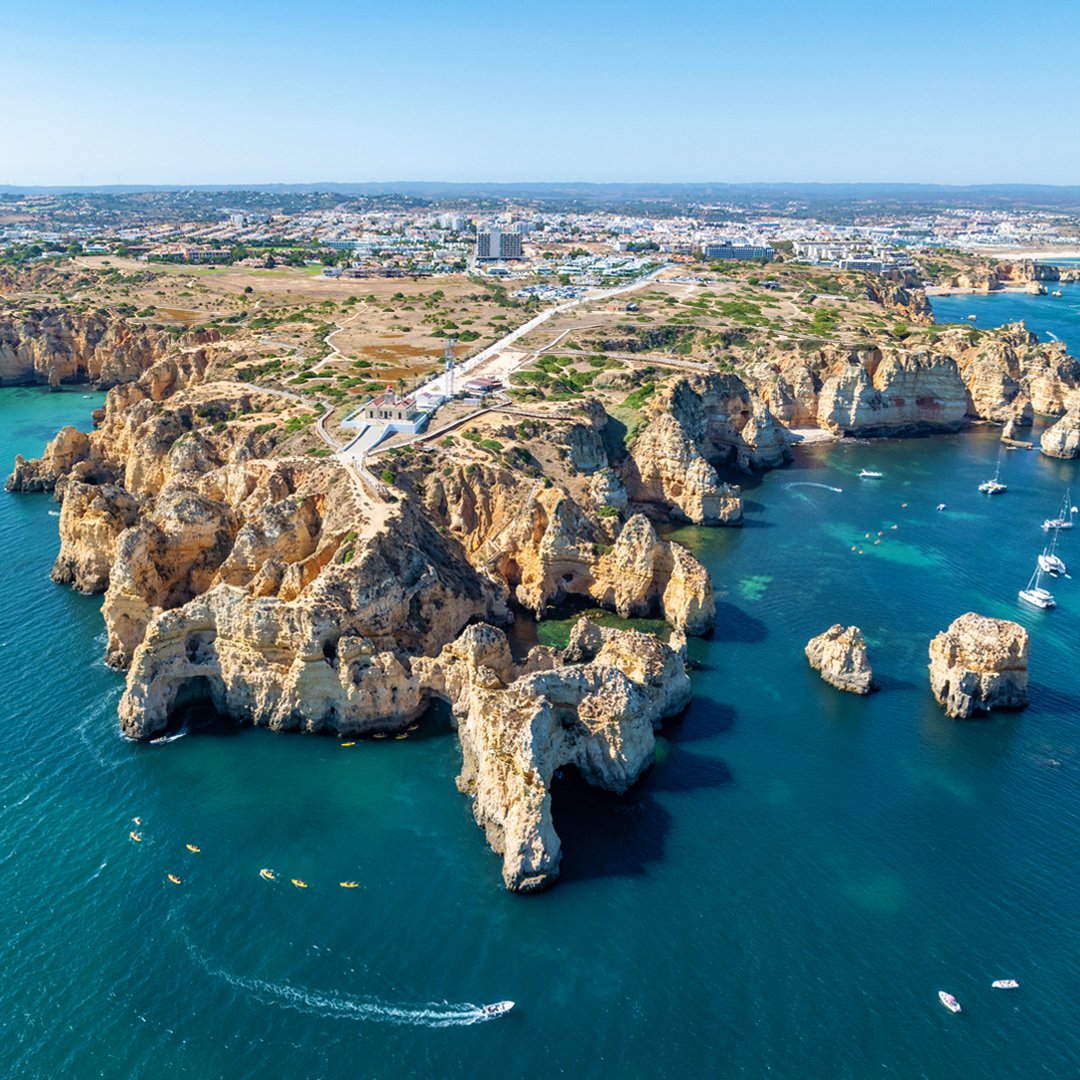
Lagos combines historic heritage with coastal beauty. It is believed to have been the site of Europe’s first slave port and market. Just outside the town, Ponta da Piedade offers a striking natural spectacle.
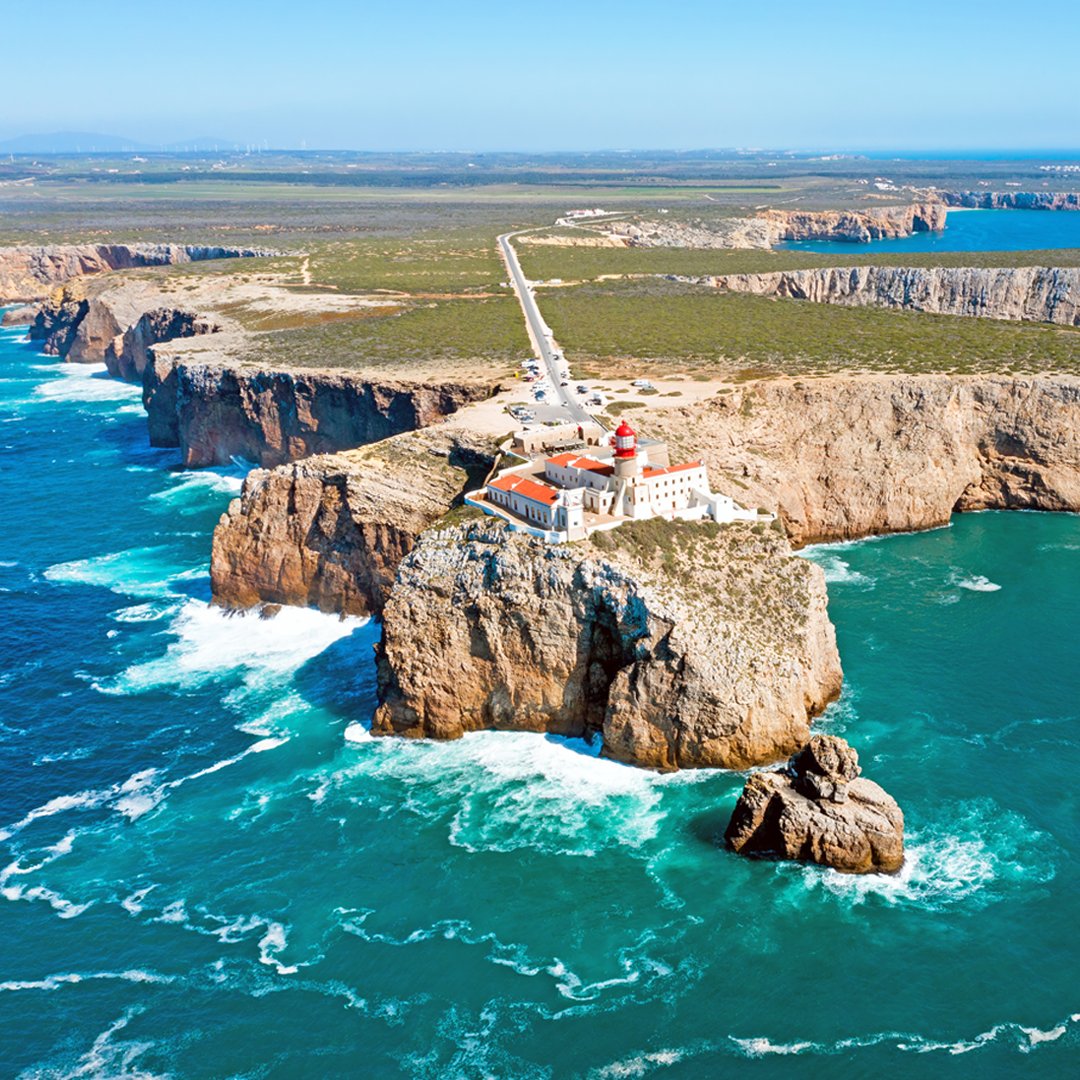
In Sagres, at the southwesternmost point of mainland Europe, visit the fortress and the headland, with breathtaking views at sunset. If you choose to explore this side of the Algarve, continue along the Costa Vicentina, a favourite destination for surfing and walking. In Aljezur, wander through the old town and climb up to the castle ruins.
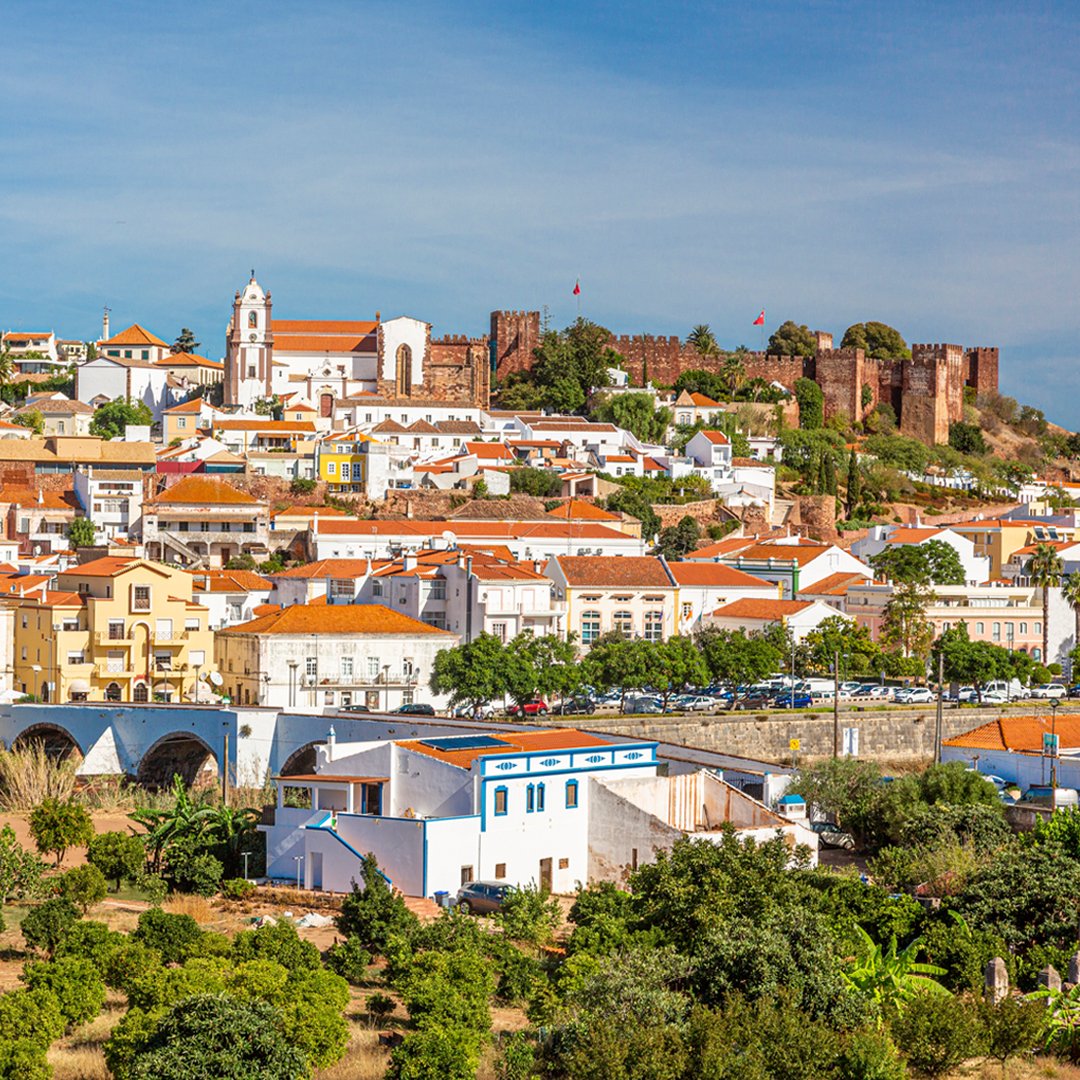
In Silves, discover the magnificent castle and cathedral. After walking along the ramparts and admiring the views over the Arade valley, visit the Municipal Archaeology Museum, built around a rare medieval Almohad well-cistern.
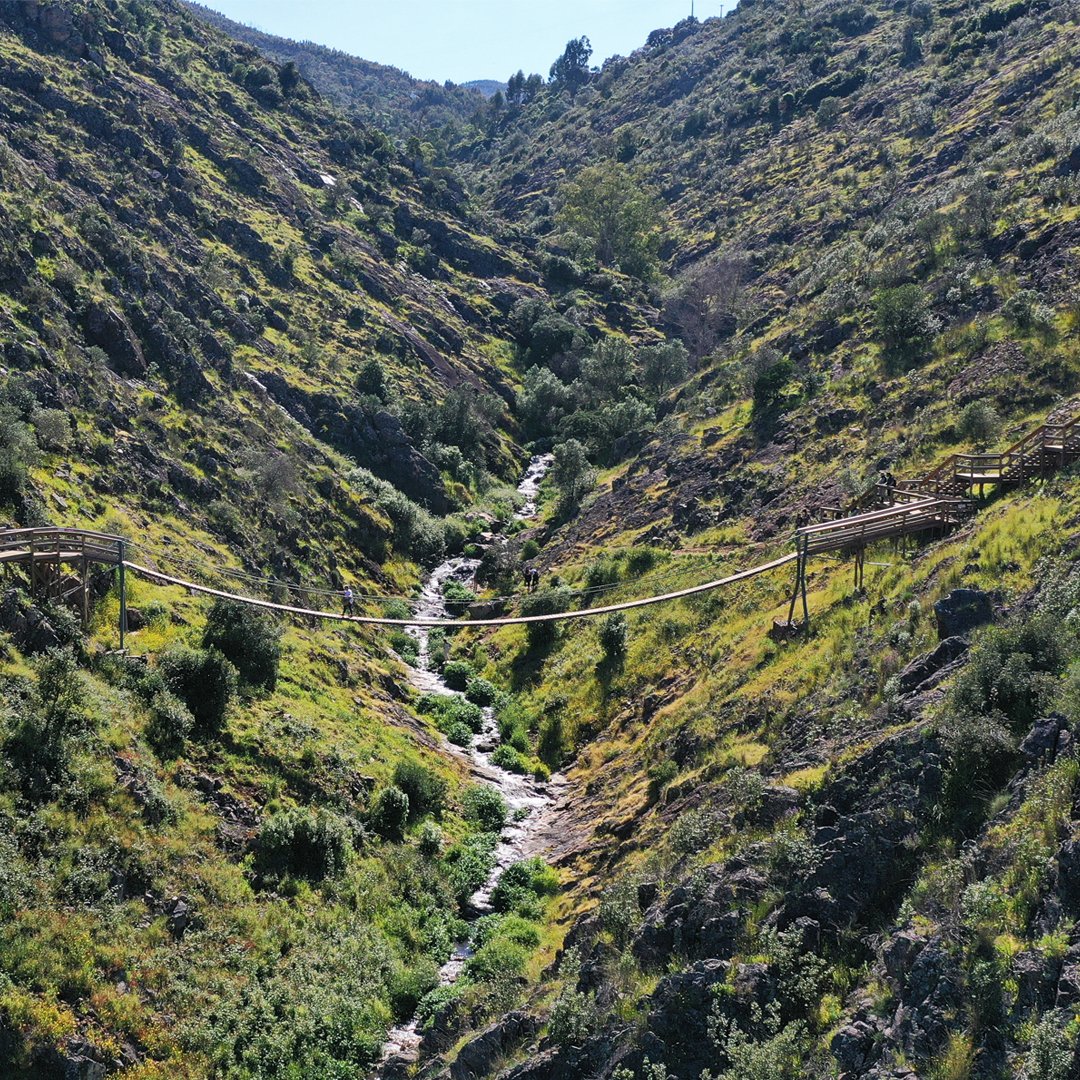
In Monchique, climb to Fóia, the Algarve’s highest point, with views across much of the region on a clear day. The Barranco do Demo Walkways offer a walking route that includes a suspension bridge.